Tinned Beans, Bottled Water and Hybrid Warfare: Is Britain Ready for a Crisis?
https://www.youtube.com/@thisclaimer?sub_confirmation=1A basic emergen
Altro...
Tinned Beans, Bottled Water and Hybrid Warfare: Is Britain Ready for a Crisis?
https://www.youtube.com/@thisclaimer?sub_confirmation=1A basic emergen
Altro...Tinned Beans, Bottled Water and Hybrid Warfare: Is Britain Ready for a Crisis?
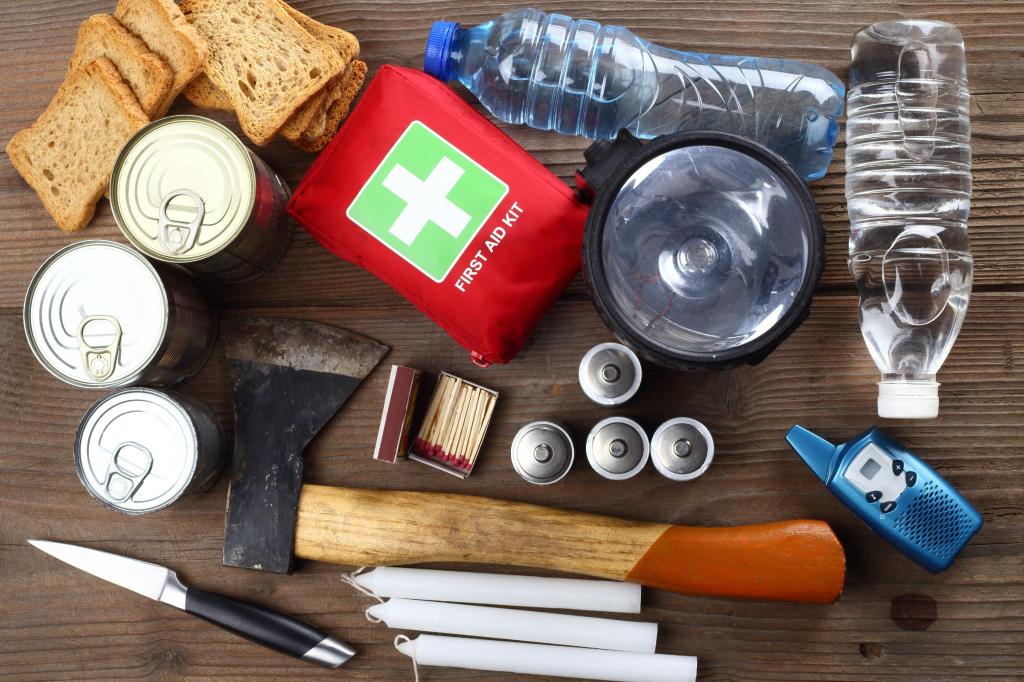
https://www.youtube.com/@thisclaimer?sub_confirmation=1A basic emergency kit can help households cope with temporary disruptions to essential services. Photo: Roger Brown/Pexels.Dear Cherubs, Britain has been advised to prepare for emergencies by keeping a sensible supply of food, water and other essentials at home. Apparently, the apocalypse has finally made it onto the household shopping list, somewhere between washing-up liquid and the weekly meal deal.
Following Storm Austen and warnings of disruption from Storm Boelo, Prime Minister Andy Burnham has defended the government’s advice to households to prepare for emergencies. Conservative leader Kemi Badenoch, however, has raised a rather bigger question: while families are filling their cupboards, what is happening with defence, cyberattacks and hybrid warfare?
Two reasonable questions, then. Can we look after ourselves during a crisis, and is the country doing enough to prevent one from becoming considerably worse?
A TIN OPENER IS NOT A NATIONAL SECURITY STRATEGY
According to the UK government’s official Be Ready campaign, households should consider having enough essential supplies to manage for three days during an emergency. That includes drinking water, non-perishable food, a torch, a radio, a charged power bank and essential medication.
The guidance is refreshingly unglamorous. No underground bunker, no suspiciously expensive survival gadget and certainly no need to transform the spare bedroom into a discount supermarket warehouse. The recommendation is to build supplies gradually, check what you already have and prepare for disruptions such as power cuts, water outages and severe weather.
It makes practical sense. If a storm knocks out electricity or interrupts water supplies, having essentials available can make life considerably easier. Emergency services also benefit when people can manage minor disruptions without immediately needing assistance.
But there is a difference between sensible preparation and suggesting that household readiness is the answer to every threat facing Britain.
THE BIGGER QUESTION: WHO PROTECTS THE COUNTRY?
Badenoch’s criticism, as reported by the BBC and other news outlets, shifts attention towards national security. Her concern is that encouraging families to stock up does not, by itself, explain what the government is doing about defence, cyberattacks or hybrid warfare.
Hybrid warfare is not simply a dramatic phrase invented to make a security briefing sound more exciting. It describes the use of different methods to undermine an opponent, potentially combining cyberattacks, disinformation, sabotage and other forms of pressure. Such threats can target infrastructure, public confidence and the systems people rely on every day.
A cupboard full of baked beans will not protect a hospital’s computer network, prevent sabotage or strengthen the armed forces. Equally, a well-funded defence system cannot guarantee that your home will escape every power cut or flooded road.
These are different responsibilities, and both matter.
According to the government’s Be Ready guidance, household preparation is intended to complement wider emergency planning, not replace it. The public deserves clear explanations of the risks, credible plans for dealing with them and evidence that essential services can withstand disruption.
COMMON SENSE, NOT PANIC BUYING
The sensible response is neither to dismiss emergency preparation nor to treat every government announcement as a trailer for the end of civilisation.
Keep a reasonable supply of food and water, check your essential medication, have a torch and know how to receive emergency updates. The government recommends three litres of drinking water per person per day for three days. Start with what you can afford and build up gradually.
Meanwhile, politicians should be prepared to answer questions about national resilience, defence spending and cybersecurity with the same clarity they expect from the public.
As readers of thisclaimer.com will appreciate, political messaging deserves a little scrutiny, particularly when practical advice and bigger questions about public responsibility collide.
Britain needs prepared households and a capable state. One without the other leaves an uncomfortable gap in the national safety net.
Because when the lights go out, the beans are useful. Knowing why the lights went out, and how quickly they can come back on, is rather more important.
Sources list:
BBC News — https://www.bbc.co.uk/news/articles/ckr5yz2pqqppo
UK Government, Be Ready campaign — https://beready.campaign.gov.uk/be-ready-for-emergencies/
Cabinet Office, household emergency preparedness announcement, 22 October 2026 — https://www.gov.uk/government/news/households-encouraged-to-take-small-simple-steps-to-stay-prepared-in-an-emergency
The Guardian, UK politics live coverage — https://www.theguardian.com/politics/live/2026/oct/23/uk-warnings-stockpile-storm-austen-treasury-autumn-budget-latest-news-updates
Thisclaimer — https://thisclaimer.com/
Thisclaimer YouTube — https://www.youtube.com/@thisclaimer?sub_confirmation=1
https://www.instagram.com/thisclaimer_/The Thisclaimer logo blends a classic warning symbol with a brain icon to represent critical thinking, curiosity, and thoughtful disclaimers
#andyBurnham #books #climateChange #cyberSecurity #emergencyPreparedness #governmentAccountability #hybridWarfare #india #kemiBadenoch #nationalSecurity #news #politics #stormAusten #stormBoelo #ukPolitics